
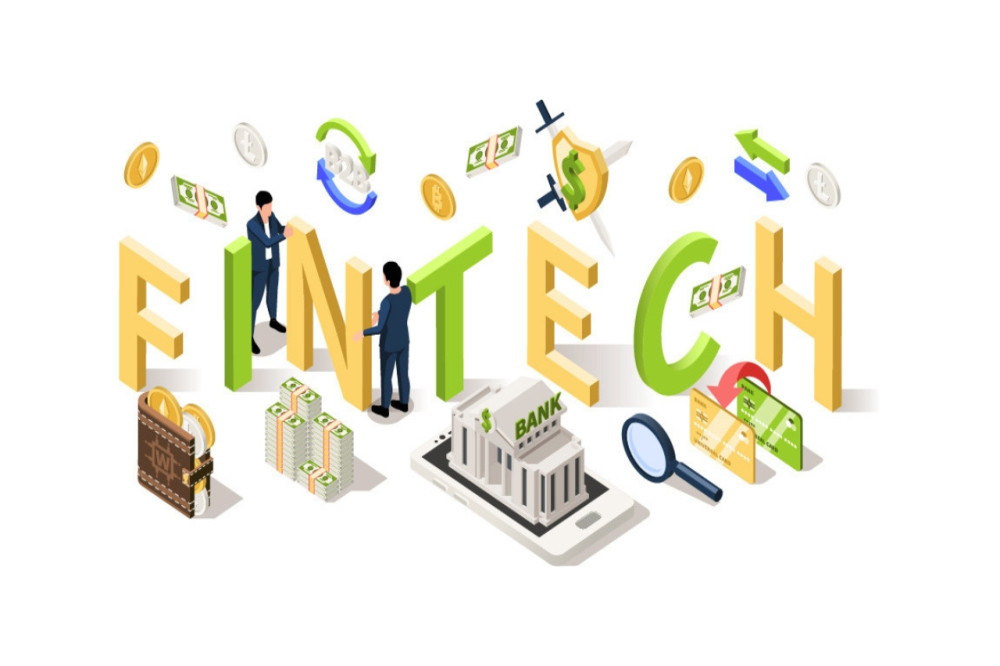
Technology has transformed every industry — from healthcare to entertainment — and finance is no exception. Over the past decade, India has experienced one of the fastest FinTech booms in the world, driven by UPI, digital payments, new banking models, and a generation of young users who prefer fast, seamless, tech-enabled money management.
Today, FinTech is not just a trend. It is a rapidly expanding sector that blends finance, technology, design, data, and innovation — opening up exciting, future-focused career opportunities for students of all academic backgrounds.
In this blog, we break down what FinTech really is, how it works, and most importantly, the career pathways students can pursue, even if they come from Commerce, Science, Humanities, or non-technical streams.
FinTech, or Financial Technology, refers to the use of technology — apps, software, algorithms, and automation — to improve and simplify financial services.
This includes everyday things like:
Earlier, banking was paperwork-heavy, time-consuming, and restricted to physical branches. FinTech changed that by making finance faster, safer, and more accessible — especially for young users.
For a student, this means one thing:
You are growing up at the perfect time to build a career in FinTech.
FinTech has transformed India’s financial ecosystem in ways that were unimaginable 10 years ago. Here’s why it matters:
1. A Rapidly Growing Industry
India’s FinTech market is one of the largest globally, expected to grow massively due to:
This consistent growth automatically means more jobs, more roles, and more opportunities.
2. Innovation + Impact
FinTech companies solve real-world problems:
For students who want to work in an industry that blends creativity, problem-solving, and meaningful impact, FinTech is a strong choice.
3. Careers for Every Background
You do not need to be an engineer or coder to enter FinTech.
Whether you are good at:
…there is a role for you.
FinTech is not one industry — it is a network of multiple sub-sectors. Understanding them helps you explore the right career path.
1. Digital Payments
Examples: PhonePe, Paytm, Google Pay
Roles include:
2. Digital Lending
Examples: KreditBee, Slice, PayU
Roles include:
3. WealthTech & Investment
Examples: Groww, Upstox, Zerodha
Roles include:
4. InsurTech
Examples: Acko, PolicyBazaar
Roles include:
5. Digital Banking / Neo-Banks
Examples: Fi Money, Jupiter
Roles include:
6. Blockchain & Crypto
Examples: CoinDCX, Polygon
Roles include:
FinTech careers can be broadly divided into Tech, Business, Finance, Design, and Operations.
Here’s a clear, student-centric breakdown:
1. Product Manager (FinTech)
Ideal for: Problem-solvers, commerce students, management aspirants
What you do:
This is one of the highest-paying roles in FinTech.
2. Data Analyst / Business Analyst
Ideal for: Students who like maths or analytics
What you do:
Data roles are in high demand across payments, lending, and wealthtech.
3. Software Developer / App Developer
Ideal for: CS/IT students or anyone interested in coding
What you do:
You can enter this with coding bootcamps + hands-on practice.
4. UI/UX Designer (FinTech)
Ideal for: Creative students with interest in design
What you do:
FinTech design is slightly different — it must be clean, simple, and trustworthy.
5. Cybersecurity Analyst
Ideal for: Tech students interested in security, hacking, and networks
What you do:
FinTech companies prioritise cybersecurity due to sensitive financial information.
6. Credit Analyst / Risk Analyst
Ideal for: Commerce students, MBA aspirants, finance enthusiasts
What you do:
Digital lending companies hire these roles regularly.
7. Customer Success & Operations
Ideal for: Students with good communication skills
What you do:
A great starting point for fresh graduates.
FinTech is a hybrid domain, so your skill-set depends on the role you choose. Here are universal skills that help you stand out:
For Technical Roles
For Business / Analytical Roles
For Finance Roles
For Design Roles
Soft Skills (For Everyone)
Students in Class 9–12 or UG can begin early. Here’s a structured roadmap:
Step 1: Understand the Basics of Finance
Learn:
You can use YouTube, blogs, or beginner-friendly courses.
Step 2: Pick Your Role Category
Choose one of the five streams:
Step 3: Build Your Skills
Start with free or low-cost courses on platforms like Coursera, edX, Udemy, or government portals.
Step 4: Take Short Internships
FinTech startups frequently offer:
Even 4–8 week experiences help your resume stand out.
Step 5: Build a Portfolio (Mandatory for Tech, Data, Design)
Examples:
Step 6: Stay Updated
Follow:
This helps you speak confidently during interviews.
FinTech is not slowing down. In fact, India is one of the world’s strongest FinTech markets because of:
1. UPI Growth
UPI has become a global benchmark for digital payments.
2. Digital Public Infrastructure
India Stack, Aadhaar, eKYC, FASTag — all create a stronger foundation for FinTech innovation.
3. Growing Youth Population
A majority of India’s population is under 35 — the biggest drivers of digital finance.
4. Government Support
Digital India, JAM Trinity, and financial inclusion initiatives support growth.
5. Investment & Startup Boom
India hosts more than 2,000+ FinTech startups.
This means stable, in-demand, and future-ready careers for students.
FinTech is ideal for students who are:
You do NOT need to master everything. The industry welcomes:
All you need is clarity, curiosity, and a willingness to learn.
FinTech is redefining the future of finance — and for students exploring career possibilities after Class 10–12 or graduation, it offers some of the most dynamic, high-growth, and impactful opportunities available today. Whether you dream of building apps, analysing data, designing financial experiences, or advising investors — FinTech has a place for you.
It is one of the rare industries that values both skills and creativity, both innovation and discipline, and both finance and technology.
If you are ready to explore a modern, future-proof career — FinTech is a powerful path to consider.





Hello !!
I'm a Career Bee