
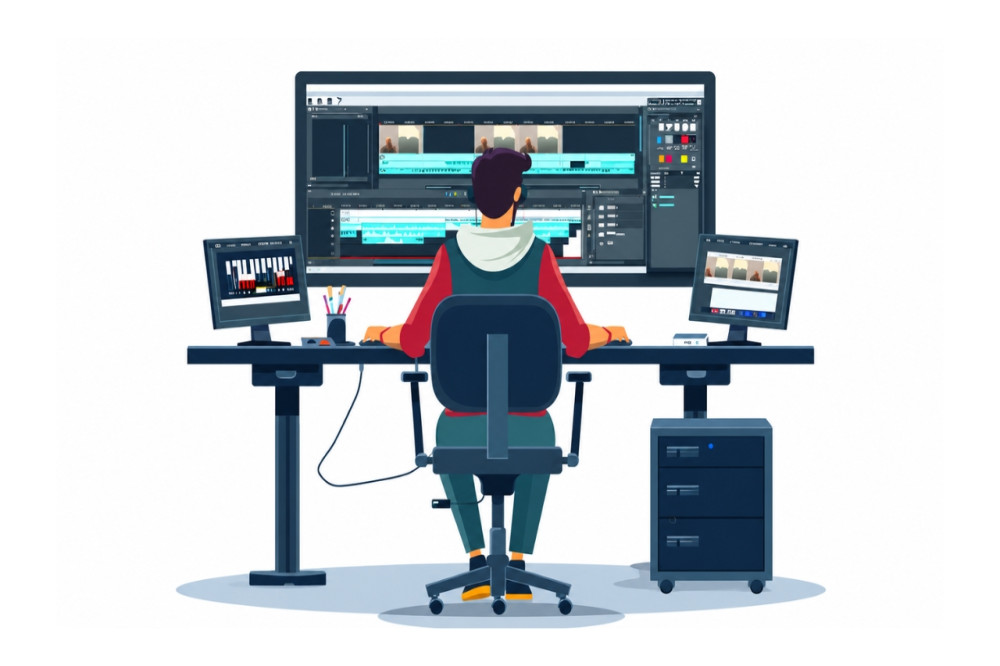
The explosion of video content has quietly transformed video editing from a niche technical skill into one of India’s most in-demand creative careers. From YouTube creators and OTT platforms to advertising agencies, edtech companies, startups, and political campaigns, video has become the dominant medium of communication. Behind every impactful video is a skilled editor shaping raw footage into compelling stories.
For students and young professionals in India—especially those from emerging talent hubs like Odisha—video editing offers a rare combination of creative freedom, strong income potential, low entry barriers, and remote work opportunities. Yet, many students remain unclear about how to enter this field, what skills truly matter, and whether formal education is mandatory.
This comprehensive Career Map guide breaks down everything you need to know about becoming a video editor in India—from skills and learning paths to career growth, salaries, and real-world opportunities.
India is witnessing a massive surge in video consumption. With over 467 million YouTube users, rapidly expanding OTT platforms, and the dominance of short-form content on Instagram and YouTube Shorts, demand for video editors has skyrocketed. In recent years, job listings for video editors have reportedly increased by over 300%, with strong demand for both full-time professionals and freelancers.
What makes video editing especially attractive is that it is no longer limited to film studios in Mumbai. Today, editors work with:
For students in Odisha, this growth is particularly relevant. With improving internet access, local training institutes, and the rise of remote work, geography is no longer a limitation. Talents from Bhubaneswar, Cuttack, Rourkela, and beyond are increasingly working with national and global clients.
A video editor is far more than someone who cuts and joins clips. The editor is a storyteller who shapes the mood, pace, and emotional impact of a video. Depending on the industry, responsibilities may include:
As editors gain experience, they often specialise in areas like YouTube content, advertising films, wedding films, documentaries, reels, or OTT productions.
Technical Software Skills
To succeed professionally, editors must master industry-standard tools. The most widely used software in India includes:
Employers and clients prioritise skill over certificates. Knowing how to use these tools efficiently is non-negotiable.
Creative and Storytelling Skills
Editing is ultimately about storytelling. A good editor understands rhythm, emotion, and audience attention. This includes:
Editors must spot minor errors, maintain consistency, and adapt quickly to trends such as short-form vertical videos, AI-assisted editing, and fast-turnaround content.
Communication and Collaboration
Editors rarely work alone. Clear communication with directors, clients, and content teams is essential, especially when revisions and deadlines are tight.
One of the biggest advantages of video editing is that there is no compulsory degree requirement. Skills and portfolio matter far more than formal qualifications. However, structured learning can significantly accelerate growth.
Step 1: Learn the Basics
Begin by understanding editing fundamentals—cuts, transitions, timelines, and audio syncing. Practice with any footage available, including mobile videos.
Step 2: Master Editing Software
Focus on one primary software, usually Adobe Premiere Pro. Gradually add After Effects or DaVinci Resolve to your skill set.
Step 3: Build a Strong Portfolio
Your portfolio is your resume. Include diverse projects such as:
Host your work on platforms like Behance, Vimeo, or a personal website.
Step 4: Gain Practical Experience
Internships with local studios, agencies, or content creators provide real-world exposure. Freelancing platforms also allow beginners to work on small paid projects.
Step 5: Network and Apply Strategically
Use LinkedIn to connect with professionals, follow studios, and apply for roles. Many editors get work through referrals rather than job portals.
Video editors can choose between multiple career models:
India currently offers hundreds of active video editing roles, with a significant percentage open to freshers. Remote opportunities have further expanded access for students from non-metro cities.
Entry-level video editors in India typically earn between ₹3–6 LPA, depending on skill level and employer. With 4–5 years of experience, salaries often rise to ₹10–15 LPA, especially for editors working in advertising, OTT, or digital-first companies.
Freelancers charge per project or per minute of edited content, often ranging from ₹3,000 to ₹10,000 per minute, depending on complexity. Skilled freelancers frequently earn more than salaried editors once they build a strong client base.
For Odisha-based editors, remote freelancing and contract work have opened pan-India earning opportunities without relocation.
Video editing is not a short-term trend. As businesses, education, entertainment, and communication become increasingly video-driven, demand for skilled editors will continue to rise. Editors who continuously upgrade their skills—especially in motion graphics, AI tools, and platform-specific content—remain future-proof.
However, success requires discipline, consistent practice, and adaptability. This is not a passive career; growth depends on effort and continuous learning.
At Career Map, Odisha’s No. 1 career counselling organisation, we help students move beyond confusion and guesswork. Video editing may look simple from the outside, but choosing the right learning path, understanding industry expectations, and aligning skills with long-term goals requires expert guidance.
Through personalised career counselling, aptitude assessment, and skill mapping, Career Map helps students:
Becoming a video editor in India is no longer about chance or talent alone. It is about clarity, consistency, and conscious career planning. For students willing to learn, practice, and adapt, video editing offers a dynamic, rewarding, and future-ready career.
If you are creative, patient, and eager to tell stories through visuals, video editing might not just be a skill—it could be your profession.
And with the right guidance, that journey becomes far clearer.
Bibliography:
https://onjob.io/blog/companies-hiring-video-editors
https://liftuplift.in/how-to-become-a-video-editor/
https://www.caba.in/courses/diploma-in-video-editing-course
https://assamcareerhub.com/video-editing-careers-in-india-5-best-options/
https://www.youtube.com/watch?v=g9G218IncLw
https://www.admecindia.co.in/courses/video-editing-courses/
https://www.justdial.com/Bhubaneshwar/Video-Editing-Training-Institutes/nct-10125248
https://www.videoeditinginstitute.com/top-5-film-and-video-editing-institutes-in-india
https://www.highflyeranimation.com/video-editing-course
https://in.linkedin.com/jobs/video-editor-jobs
https://www.truelancer.com/video-editing-freelancers-in-india
https://blog.skillwaala.com/best-freelance-platforms-for-video-editors/
https://www.jobhai.com/video-editor-jobs-in-delhi-ccty
https://worldsalaries.com/average-video-editor-salary-in-india/
https://6figr.com/in/salary/video-editor--t
https://www.admecindia.co.in/post-production/video-editing-skills-are-a-high-paying-career-in-india/
https://www.kalapurnaminstitute.com/rise-of-video-content-video-editing-course/
https://fueler.io/blog/simplifying-video-editing-as-a-career-in-india
https://www.shiksha.com/animation/sound-video-editing/colleges/colleges-india



Hello !!
I'm a Career Bee